Services
Septic system replacement on Cape Cod and the South Shore
From the first test pit to the Certificate of Compliance, with 2026 prices and the rules that decide conventional or I/A.
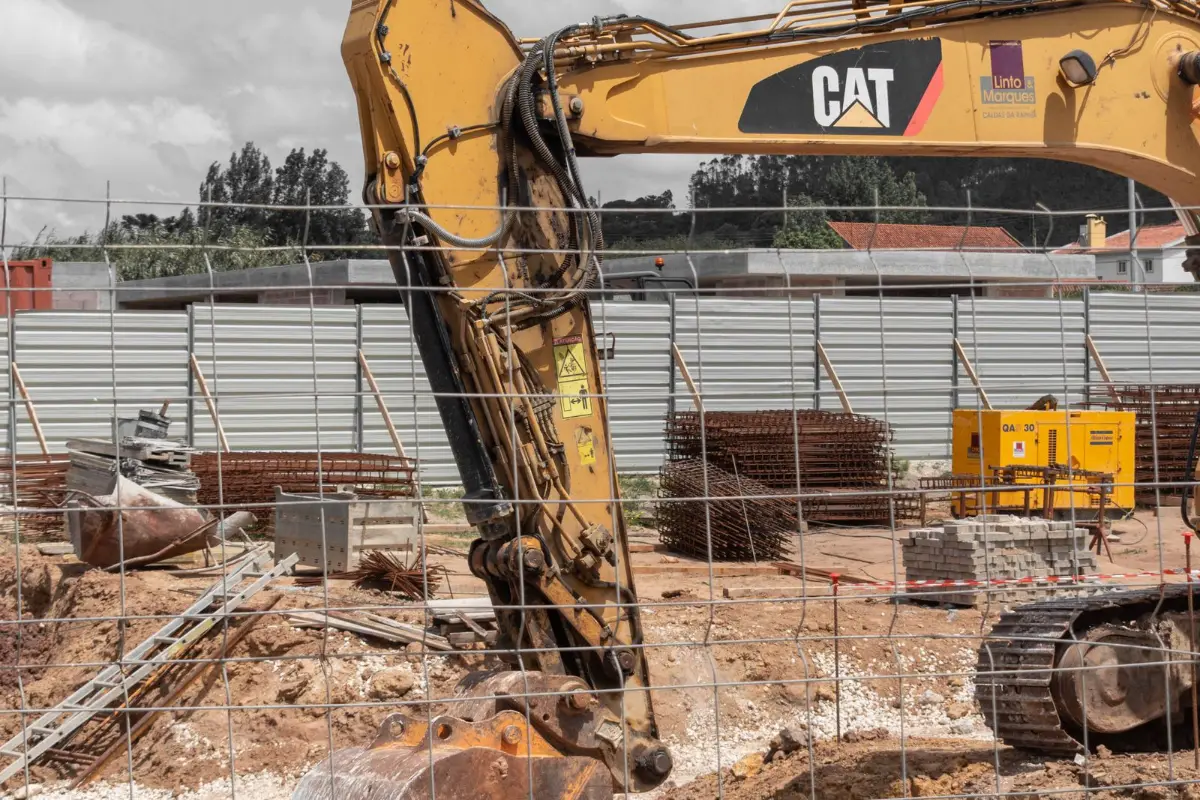
When the whole system has to come out
A full replacement means a new septic tank, a new distribution box and a new leaching area, built to the current code. It is the required fix when the soil absorption system or a cesspool fails a Title 5 inspection, because neither can be conditionally passed under 310 CMR 15.303. About 86,000 Cape systems sit inside a nitrogen sensitive area.
Not every failure calls for the whole system. A metal tank, a settled distribution box or a dead pump is a conditional-pass item, handled as a septic repair or a tank replacement. When only the field is exhausted, a leach field replacement may do. The Title 5 guide maps the four inspection results to each fix.
Once a system fails, 310 CMR 15.305 gives you 2 years from the inspection date to upgrade, or less if the board of health finds an imminent health threat. Added bedrooms on an undersized system and sewage backing up into the house are the other common triggers.
The replacement sequence, from test pit to sign-off
There are five stages and they happen in a fixed order: a soil evaluation witnessed by the board of health, an engineered plan, a Disposal System Construction Permit (DSCP), the installation with an inspection before backfill, and a Certificate of Compliance. Nothing may discharge to the new system until that certificate is issued under 310 CMR 15.021.
Test pits and the perc test
A MassDEP-approved Soil Evaluator digs deep holes to find the seasonal high water table from soil color and mottling, then runs a percolation test. The board of health must be present when the evaluator works for you, and certified results go to the board, your designer and you within 60 days (310 CMR 15.018). The perc method is fixed by 310 CMR 15.104: a 12-inch hole, 18 inches deep, presoaked, then timed as the water drops from 9 to 6 inches. The design and soil evaluation page covers this stage, including witness fees.
The engineered plan and the construction permit
The designer sizes the system at 110 gallons per day per bedroom (310 CMR 15.203), with a single-family house presumed to have at least 3. The plan and the DSCP application go to the board of health; the permit is valid for 3 years with one 1-year extension (310 CMR 15.020). On a tight lot the board may grant a Local Upgrade Approval that relaxes rules to the least degree necessary (310 CMR 15.405).
Excavation, tank and field, inspected before backfill
Only a contractor holding the town’s Disposal System Installer’s permit may do the work (310 CMR 15.019). The health agent looks at the open system before it is covered; Mashpee requires a full day’s notice for every phase (permit requirements). The dig itself usually runs a few days to two weeks.
As-built, certification and the certificate
Within 30 days of the final inspection the installer and designer certify that the system matches Title 5, the plan and local rules, with an as-built if anything changed, and the board issues the Certificate of Compliance. Keep it: a certificate under 2 years old, or 3 with annual pumping records, exempts the next sale from a transfer inspection (MassDEP guide).
Standard Title 5 system or I/A: how that choice is made in 2026
Under state rules alone, a homeowner in a Cape nitrogen sensitive area replacing a failed system in 2026 may still install a conventional Title 5 system. Every Cape town with a designated watershed filed a notice of intent, a full permit application or a de minimis application before the July 7, 2025 deadline, which keeps the 5-year upgrade clock from starting (MassDEP application table).
Town rules are where the requirement lives now. Falmouth’s FHR 15.15, effective November 15, 2025, requires nitrogen-reducing technology at 10 mg/L or less for new homes, rebuilds and bedroom additions in its nitrogen areas (Falmouth). Mashpee has required I/A units within 1,000 feet of ponds, streams, wetlands and coastal banks from 2000 onward (Mashpee regulation). Adding a bedroom counts as new construction under 310 CMR 15.002, which can turn a routine replacement into an I/A job. The I/A systems page and the nitrogen rules guide go deeper.
If sewer is scheduled for your street, ask the town first. Barnstable discourages new Title 5 installs in near-term sewer areas, and owners must connect within 6 months of notice however new the system is (Barnstable FAQ). See sewer connection.
Replacement prices here, and what pushes them up
A 3-bedroom conventional replacement in Massachusetts typically runs $20,000 to $30,000 and a 4-bedroom $25,000 to $40,000, with one Cape Cod raised-bed example reaching about $42,000 because of high groundwater (Massachusetts inspector cost guide, 2026). MassDEP’s 2023 FAQ put I/A installs at $17,000 to $36,000 (FAQ); Falmouth figures in March 2025 came to about $35,000 (Falmouth Enterprise).
Groundwater moves the number most: a shallow water table forces a raised field, fill and a pump chamber. Tight setbacks add variances and conservation filings; trees, walls and patios add restoration, which is not credit-eligible under Schedule SC. The cost estimator and the replacement cost guide work the range for your lot.
The state credit returns 60% of eligible costs up to $30,000, a maximum of $18,000 taken at $4,000 a year, for a failed system at a principal residence (Mass.gov). Barnstable County’s AquiFund lends at 4% for septic work, or 5% if the home is listed for sale within 12 months, for up to 20 years (AquiFund). Plymouth County owners cannot use AquiFund; MassHousing lends up to $25,000 there (MassHousing). Program terms are set by the agencies and change; confirm with the state or county page linked here.
Rules every replacement has to meet
Three numbers govern most Cape designs: 4 feet of naturally occurring pervious soil under the leaching area (310 CMR 15.103), 4 or 5 feet of separation to high groundwater depending on perc rate (310 CMR 15.212), and setbacks of 10 feet to property lines, 50 and 100 feet to a private well, and 25 and 50 feet to wetlands for tank and field (310 CMR 15.211).
Towns layer their own. Dennis requires a reserve area equal to the leaching field on every plan (Dennis regulations); Pembroke designs to 150 gallons per day per bedroom and requires concrete tanks (Pembroke rules). If your town is not named here, check with the town before the designer starts.
How long it takes, and what slows it down
Plan on about 3 to 4 months from the first test pit to the certificate in an ordinary case (buyer-agent FAQ). Variances, a conservation filing and frozen ground each add weeks, and MassDEP cited limited contractor capacity when it extended nitrogen deadlines in 2023 (extension letter).
The replacement timeline guide lays out a month-by-month plan. The avoidable delays are ordering a design before asking about sewer phases, adding a bedroom without realizing it becomes new construction, and taking one bid instead of three.
Towns where replacements are most common right now
Replacement questions cluster where sewer is coming and local rules bite. In Barnstable, the first question is whether your village is in a Phase 1 sewer area. In Falmouth, added flow in a nitrogen area now means I/A. In Mashpee, the 1,000-foot rule puts many older systems on the list. In Dennis, a 5 ppm nitrogen standard in sensitive areas shapes what a designer can draw.
Money
Help paying for septic work
Two public programs pay for a large share of most Title 5 upgrades. Which one applies depends on the county the house is in.
Statewide, principal residence
State income tax credit for Title 5 work
- 60% of qualifying repair or replacement costs, on up to $30,000 of expenses
- Up to $18,000 in total credit per household, taken at up to $4,000 a year
- Unused credit carries forward for up to 5 years
- Applies to the home you live in, not a rental or second home
Barnstable County homeowners only
Low-interest county financing (AquiFund)
- County-run Community Septic Management Loan Program
- Interest tiers from 0% to 5%, set by the type of work and whether you live there year-round
- Repaid over up to 20 years as a betterment on your property tax bill
- Covers Title 5 repairs, replacements and nitrogen-reducing upgrades
Plymouth County homeowners
Financing for South Shore homes
- AquiFund does not extend past the Cape Cod Canal
- The Town of Plymouth runs its own Title V septic loan, repaid as a betterment on the tax bill
- MassHousing offers a septic repair loan for eligible owner-occupants statewide
- Ask your board of health which town programs are open this year
Program terms are set by the agencies and change; confirm with the state or county page linked here before you count on a number.
Licensing
Check the credentials before you sign
Massachusetts has no single statewide septic contractor license. Two separate approvals matter. A Title 5 inspection is valid only when a System Inspector approved by MassDEP performs it. Installation and repair work is permitted town by town: each board of health licenses installers and issues the Disposal System Construction Permit for the job.
You can check both yourself. The state publishes the inspector training and approval program, and the regulation itself sets out who may do what.
Three questions to ask
-
Which of you holds the Title 5 System Inspector approval, and can I see the certificate?
Only a MassDEP-approved System Inspector may sign an official inspection form. The approval is personal to the inspector, not to the company.
-
Are you on this town’s current list of approved septic installers?
Installation licenses are issued by each board of health, one town at a time. A crew licensed in Falmouth is not automatically licensed in Bourne.
-
Who pulls the permit, and will I get the as-built plan and the Certificate of Compliance?
The permit and the final sign-off are what a future buyer’s inspector will ask for. Get it in writing that both come to you when the work closes out.
The process
From your request to a site visit
-
Your request goes to one local septic company
It goes to a single septic company that works in your town and handles your kind of job. It is not sold to a list, and you will not get calls from five companies.
-
They call to set up a site visit
Expect a call, usually within one business day. The contractor asks about the house, the inspection report if you have one, and your timing, then books a visit.
-
You get a written quote and decide
After the visit you receive a written estimate with the scope and the permit plan. There is no fee and no obligation. If it is not a fit, say so and that is the end of it.
Questions homeowners ask
What are the steps to replace a septic system in Massachusetts?
Five stages in a fixed order: a soil evaluation and perc test witnessed by the board of health, an engineered plan, a Disposal System Construction Permit, the installation by a town-licensed installer with an inspection before backfill, and a Certificate of Compliance. Nothing may discharge to the new system until that certificate is issued under 310 CMR 15.021.
How long does it take to replace a septic system?
About 3 to 4 months from the first test pit to the Certificate of Compliance in an ordinary case. Boards of health commonly act within about 45 days of a complete application, the dig itself takes a few days to two weeks, and variances, conservation filings or frozen ground each add time. A failed system has a 2-year deadline, so a winter failure still leaves room.
How much does a new septic system cost on Cape Cod?
Roughly $20,000 to $30,000 for a 3-bedroom conventional system and $25,000 to $40,000 for a 4-bedroom, based on 2025-2026 Massachusetts figures. High groundwater that forces a raised bed pushed one Cape example to about $42,000. An I/A nitrogen-reducing system was quoted at $17,000 to $36,000 in MassDEP's 2023 FAQ and about $35,000 in Falmouth in 2025.
Should I replace my septic if sewer is coming in a few years?
Ask the town before you order a design. Barnstable's Board of Health and DPW try to prevent new Title 5 installs where sewer is planned, and once sewer reaches your street you must connect within 6 months of the Board's notice and abandon the septic system. A brand-new system earns no exemption from the connection order or the assessment.
What is a mound or raised system and why would I need one?
When the seasonal high water table is within 4 to 5 feet of where the leaching area would sit, the field is built up in imported sand so the separation in 310 CMR 15.212 is met. That usually adds a pump chamber, fill and sometimes retaining walls, which is why coastal and pond-side lots on the Cape cost more to replace than upland lots.
Do I have to install an I/A system on Cape Cod now?
Not under state rules in 2026. Every Cape town with a designated nitrogen sensitive area filed a notice of intent, a watershed permit application or a de minimis application by July 7, 2025, which keeps the 5-year upgrade clock from starting. Town rules can still require one: Falmouth does for new construction and added bedrooms since November 15, 2025, and Mashpee within 1,000 feet of water.
Tell us about your system
One call or form, a written quote after a site visit. Free for homeowners, no obligation.