Guide
Signs a septic system is failing on Cape Cod and the South Shore
The symptoms in plain terms, the Cape-specific causes behind them, and the line between a repair and a replacement.
Written by the Cape Cod Septic Experts editorial team · How we check our facts
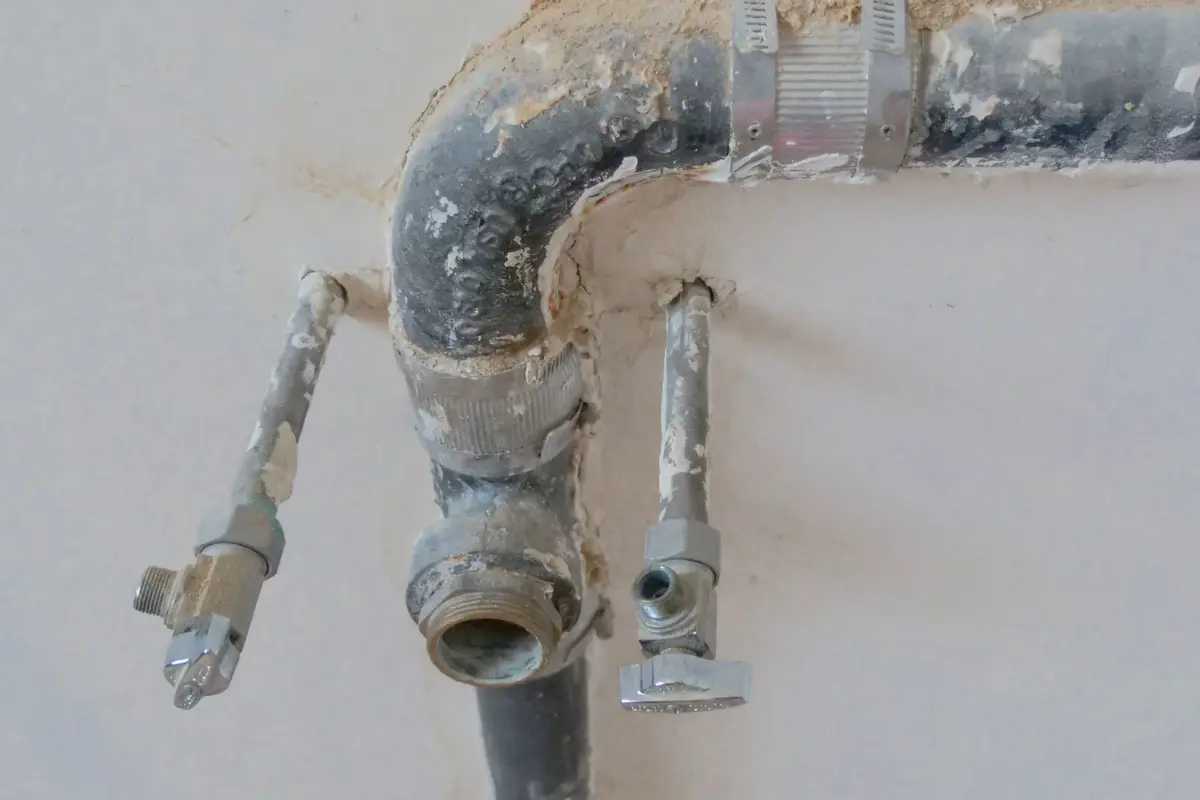
A septic system rarely fails all at once. It tells you first: drains slow down, a fixture gurgles, the yard smells faintly on a warm evening, the ground over the leaching area stays damp, one stripe of grass grows faster than the rest. Backups come last. On Cape Cod the causes are often the water table and a house that holds eight people in August, and the difference between a $3,000 repair and a $25,000 replacement usually turns on which part is failing.
The symptoms, roughly in the order people notice them
MassDEP’s own list is short: slow drains, gurgling, odors, wet or lush areas over the field, and sewage backups (caring for your septic system). In practice they arrive in that order, and the early ones get explained away as a clog. One more belongs on the list: a pumping interval that keeps shrinking.
That last one is not a nuisance, it is a legal threshold. Under 310 CMR 15.303, needing the tank pumped more than four times a year is a failure criterion in its own right unless a broken pipe is causing it, and so are sewage backing up into the building and effluent surfacing anywhere on the ground. So is a static liquid level in the distribution box above the outlet invert, which is something only an inspector will see.
The greener stripe of grass, explained
Grass over a leaching area that is greener and faster-growing than the rest of the lawn is being fertilized by nitrogen in effluent that is rising too close to the surface. If the same stripe is soft underfoot after a dry week, the field is no longer accepting flow at depth, and the evidence is arriving at the top rather than the bottom.
Where you see it matters. A wet trench line between the tank and the field usually points at a broken or obstructed pipe or a settled distribution box, which is repairable. A soggy area over the field itself, or a seep at a downhill edge, points at the leaching area, which is not. The inspection form calls the surfacing case breakout, and it is a failure rather than a conditional pass (official form).
Sand, high water and a house that fills up in July
Cape soils drain fast and filter little. Where percolation is 2 minutes per inch or faster, which is common in outwash sand, 15.212 requires 5 feet between the bottom of the leaching stone and high groundwater rather than the usual 4. Systems built to an older standard, or on a lot where the water table sits higher than anyone measured, run out of that margin first.
Seasons do the rest. Groundwater peaks in late winter and spring, which is when a marginal field starts breaking out, and occupancy peaks in July, when a three-bedroom house designed for 330 gallons a day at 110 gallons per bedroom is running showers and laundry for eight people. A system that coped for thirty years as a seasonal cottage can fail in its first full year of year-round use. Roots are the quiet third cause: Mashpee advises keeping trees at least 30 feet from the leaching area and never driving or building over the system.
What to check before you call anyone
Spend twenty minutes on the cheap explanations first. Is it one fixture or the whole house, because one slow sink is a plumbing problem and a whole house slowing together is not. When was the tank last pumped, and do you have the receipt. Has anything changed: a new bathroom, a hot tub emptied into the drains, a second family staying since June.
Then find the paperwork. The board of health holds the as-built plan showing where the tank, distribution box and field actually are, and Yarmouth posts as-builts and pumping history online (Yarmouth Title 5 page). Knowing the layout turns a vague complaint into a specific question, and it stops you paying someone to hunt for a lid. If the answer is simply that four years have gone by, book a pump-out with a hauler permitted by your board of health (Barnstable County) and see whether the symptoms clear.
Repair or replacement: what each symptom usually means
The official form draws the line for you. A metal tank over 20 years old or a structurally unsound tank, a dead pump or alarm, a broken or obstructed pipe and a broken, settled or uneven distribution box are conditional-pass items: fix the named thing and the system passes. Soil absorption systems and cesspools cannot be conditionally passed at all.
Prices follow the same split. Secondary Massachusetts sources put a distribution box, baffle, filter or pipe repair at $1,000 to $5,000 (Bob Wiltse, secondary), a tank swap at $4,000 to $8,000, and a failed leaching area at $10,000 to $20,000, with a full three-bedroom replacement at $20,000 to $30,000 (CheckMySeptic, secondary). Be wary of field rejuvenation sold as a cure: a leaching area that meets a failure criterion needs a permitted replacement, not jetting. And every one of these repairs needs a Disposal System Construction Permit and a Certificate of Compliance, even in an emergency (MassDEP FAQ).
When to stop running water and call right away
Three situations are not a wait-and-see. Sewage backing up into the house. Effluent surfacing where people or pets walk. A pump alarm sounding in a chamber that is filling. In all three, stop using water, keep the area fenced off, and call the board of health and a licensed installer right away.
The urgency is regulatory as well as practical. A failure starts a two-year upgrade deadline under 15.305, and the board of health can require faster action where it finds an imminent health threat. During any interim period the owner has to prevent backups and surface discharges, which usually means a pumping schedule until the new system is built. If a sale is in progress, that timetable becomes the closing’s problem too.
From a wet spot to a written quote
Work in the order that keeps your options open. Pump and document, pull the as-built, then have the suspect component looked at rather than the whole system condemned on a phone call. Ask for the finding in writing and against the failure criteria, because that language is what the town, a lender and a buyer all read.
From there the path forks. If it is a component, septic repair covers the permit and the fix; if the field is gone, leach field replacement sets out what a new leaching area involves and septic system replacement what a whole new system costs. Keeping the tank pumped on schedule is the cheapest insurance either way, which is what the septic pumping page is for. If the problem surfaced because an inspection is coming, the Title 5 guide explains the four results, and the replacement cost guide has the numbers you will be asked to plan around.
Licensing
Check the credentials before you sign
Massachusetts has no single statewide septic contractor license. Two separate approvals matter. A Title 5 inspection is valid only when a System Inspector approved by MassDEP performs it. Installation and repair work is permitted town by town: each board of health licenses installers and issues the Disposal System Construction Permit for the job.
You can check both yourself. The state publishes the inspector training and approval program, and the regulation itself sets out who may do what.
Three questions to ask
-
Which of you holds the Title 5 System Inspector approval, and can I see the certificate?
Only a MassDEP-approved System Inspector may sign an official inspection form. The approval is personal to the inspector, not to the company.
-
Are you on this town’s current list of approved septic installers?
Installation licenses are issued by each board of health, one town at a time. A crew licensed in Falmouth is not automatically licensed in Bourne.
-
Who pulls the permit, and will I get the as-built plan and the Certificate of Compliance?
The permit and the final sign-off are what a future buyer’s inspector will ask for. Get it in writing that both come to you when the work closes out.
The process
From your request to a site visit
-
Your request goes to one local septic company
It goes to a single septic company that works in your town and handles your kind of job. It is not sold to a list, and you will not get calls from five companies.
-
They call to set up a site visit
Expect a call, usually within one business day. The contractor asks about the house, the inspection report if you have one, and your timing, then books a visit.
-
You get a written quote and decide
After the visit you receive a written estimate with the scope and the permit plan. There is no fee and no obligation. If it is not a fit, say so and that is the end of it.
Questions homeowners ask
What are the warning signs my septic system is failing?
Slow drains and gurgling fixtures, sewage odors indoors or over the yard, soggy or unusually green ground above the leaching area, and backups into the lowest drain in the house. MassDEP's care guide lists the same set. Pumping needed more than four times a year belongs on the list too, because that frequency is itself a failure criterion under Title 5.
What do I do if sewage is backing up or surfacing in the yard?
Treat it as a health hazard. Stop using water, keep people and pets off the wet ground, call your board of health and arrange emergency pumping by a permitted hauler while you plan the upgrade. MassDEP's repairs FAQ describes this as a failure, and a failure starts a two-year upgrade deadline that runs from the date the problem is documented.
Does a failure mean I need a whole new system?
Not always. A metal tank over 20 years old, a dead pump or alarm, a settled distribution box and a broken or obstructed pipe are repairable items that the official form treats as a conditional pass. What cannot be repaired around is the leaching area itself: soil absorption systems and cesspools cannot be conditionally passed, so a failed field means a new one.
Can I have the leach field restored instead of replaced?
Contractors sell jetting and aeration as field rejuvenation, and it is not a Title 5 outcome. A leaching area that meets a failure criterion cannot be conditionally passed, so the compliant fix is a permitted replacement designed to current standards. If you try a restoration first, treat it as buying time rather than as a repair the board of health will sign off on.
My pump alarm is going off. What should I do?
Cut water use in the house immediately, then call a licensed installer or your pumper. A pump or alarm that is not working in a pump chamber is a conditional-pass item on the Title 5 form, which means it is repairable, but the chamber is filling while it is out of service. Do not silence the alarm and wait for the weekend.
How often should I pump my tank on Cape Cod?
MassDEP advises at least every three years, Yarmouth suggests three to four, and Barnstable County says three to five. Pump yearly if you have a garbage disposal or an innovative/alternative system. Needing more than four pump-outs a year is not maintenance, it is a failure criterion, so tell the pumper if the interval has been shrinking.
Tell us about your system
One call or form, a written quote after a site visit. Free for homeowners, no obligation.