Guide
Cape Cod's nitrogen rules and what they mean for your septic system
Nitrogen sensitive areas, the 10 mg/L standard, the two deadlines, and the town-by-town filing status as of September 2026.
Written by the Cape Cod Septic Experts editorial team · How we check our facts
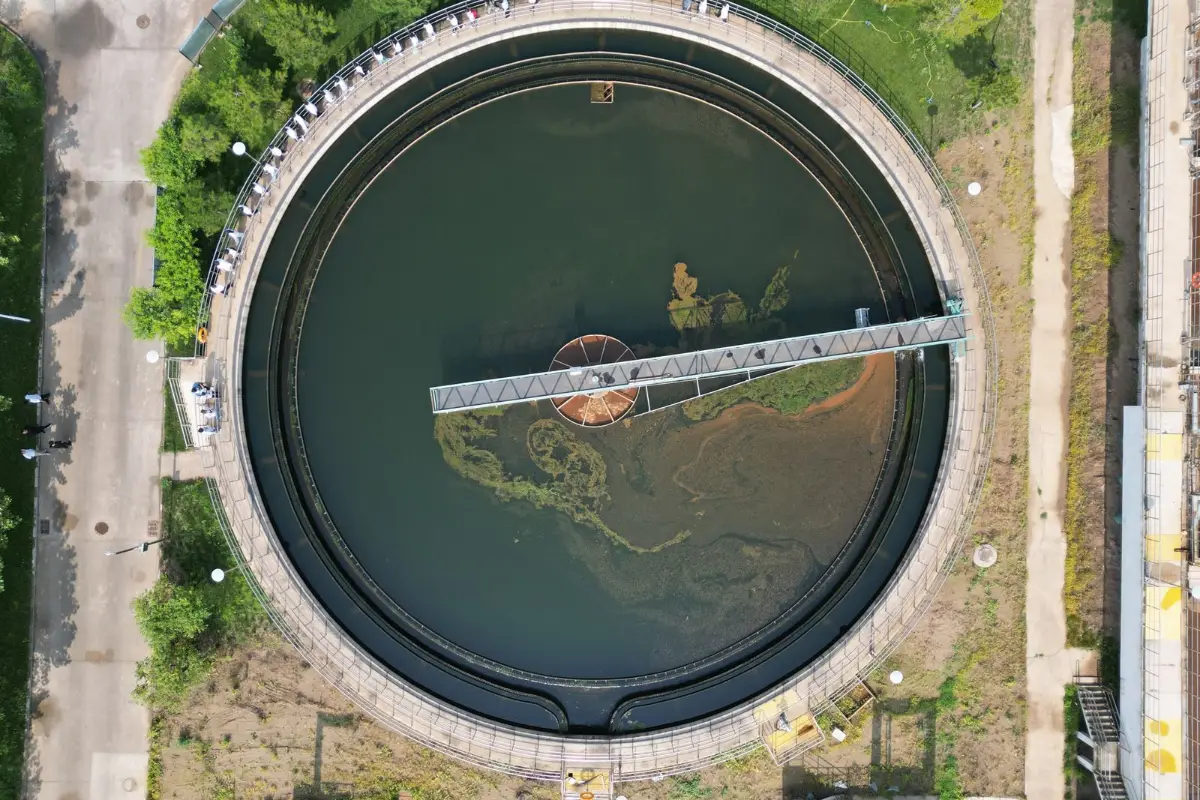
On July 7, 2023 MassDEP designated 30 Cape Cod watersheds as Natural Resource Area Nitrogen Sensitive Areas, later adding Wellfleet Harbor for 31, and required existing septic systems inside them to upgrade to nitrogen-reducing technology. Every Cape town with a designated watershed filed with the state before the deadline, which stopped that clock from starting. For a homeowner replacing a system in 2026, the decisive rules are local, not the 2023 amendment.
What a nitrogen sensitive area is, and how a watershed became one
A Natural Resource Area Nitrogen Sensitive Area is a watershed where too much nitrogen reaches an estuary. Cape Cod watersheds that already had an EPA-approved nitrogen total maximum daily load and were covered by the 208 Area-Wide Water Quality Plan were designated automatically when the rules took effect (MassDEP FAQ, June 2023).
Scale explains the alarm. About 86,000 septic systems sit inside the designated areas, out of roughly 126,000 on Cape Cod (Cape Cod Commission). Future Cape watersheds with a nitrogen TMDL become NSAs automatically; anywhere else needs a public process with a 60-day comment period. Off-Cape communities were excluded, which is why no Plymouth County or South Shore watershed is designated today.
Two dates that set everything in motion
Two dates carry the whole rule. July 7, 2023 is when 310 CMR 15.214 and 15.215 and the watershed permit regulations at 314 CMR 21.00 took effect, designating the watersheds and opening a 2-year notice of intent and application period. July 7, 2025 is when that window closed.
The rule works as a conditional trigger. Existing systems in an NSA must upgrade to Best Available Nitrogen Reducing Technology within 5 years of the end of that 2-year period, unless the town filed a notice of intent, a watershed permit application or a de minimis nitrogen load exemption application during it, which prevents the 5-year clock from starting. A separate provision covered new construction, added bedrooms and any flow increase, originally from January 8, 2024 and extended to July 8, 2024 by a MassDEP letter of November 30, 2023; it is suspended the same way. One caution on dates elsewhere: a MassDEP news release in February 2024 put the upgrade deadline 5 years from July 7, 2023, while the regulation’s text and MassDEP’s realtor course point to July 7, 2030. Treat the earlier reading as superseded.
BANRT at 10 mg/L, and what is actually certified
BANRT means an alternative system certified for General Use at a total nitrogen limit of 10 mg/L or less; where none exists, it is the General Use technology with the lowest certified nitrogen value, or a Provisional or Piloting technology meeting 10 mg/L (15.002). MassDEP publishes the list and reviews it annually.
That definition matters because the certified reality falls short of the number. In the 2026 review, using data through December 31, 2025, no General Use technology was certified at 10 mg/L: General Use entries carried a 19 mg/L approval limit, while technologies at or near 10 mg/L sat in Provisional Use (MassDEP approved technologies). Check that live table before choosing a unit, since approvals move. MassDEP also clarified in June 2026 that dropping a technology from the BANRT list does not force existing owners to upgrade. The I/A systems page covers the hardware and its running costs.
The state clock is not running in 2026
Stated exactly as MassDEP’s own tracking puts it: per the watershed permit application table, every Cape town with a designated NSA had filed a notice of intent, a permit application or a de minimis application by July 7, 2025, so no 5-year BANRT clock started anywhere on Cape Cod (application table dated June 11, 2026).
Suspended is not repealed. The clock stays stopped while each town keeps to its approved schedule; a notice of intent must include a schedule for filing the full permit application no later than 7 years from designation. If a town misses that schedule, MassDEP can notify it and the 5-year requirement begins for owners in the affected watershed. Watershed permits are voluntary 20-year municipal permits tied to nitrogen targets, letting a town mix sewers, I/A systems, aquaculture and stormwater work. Pleasant Bay, covering Brewster, Chatham, Harwich and Orleans, was the first, issued in 2018 and revised in 2026.
Each town’s filing, watershed by watershed
Filings are public and specific. Falmouth has the most designated watersheds at 13; Barnstable filed a full permit application with a draft permit out for comment in 2025; Brewster and Mashpee used de minimis applications; Provincetown has no designated NSA, sewered from 2003 onward. Unless the table notes otherwise, the filing date was July 7, 2023.
| Town | NSA watersheds | Filing |
|---|---|---|
| Barnstable | 7 | Permit application; draft permit for comment June 11, 2025 |
| Bourne | 2 | NOI |
| Brewster | 4 | Herring River permit application (2026); de minimis for two; Pleasant Bay permit |
| Chatham | 4 | NOI; Pleasant Bay permit |
| Dennis | 3 | Three NOIs |
| Eastham | 1 | NOI, September 29, 2023, with Truro and Wellfleet |
| Falmouth | 13 | Thirteen NOIs |
| Harwich | 5 | NOIs; Pleasant Bay permit |
| Mashpee | 5 | Two NOIs and three de minimis applications |
| Orleans | 1 | Covered by the Pleasant Bay permit |
| Provincetown | 0 | No designated NSA |
| Sandwich | 3 | NOI |
| Truro | 1 | NOI, September 29, 2023 |
| Wellfleet | 1 | NOI, September 29, 2023 |
| Yarmouth | 3 | NOIs |
Issued permits are thinner than the table suggests: Pleasant Bay is the only one listed, and whether Barnstable’s draft became final was unverified as of September 2026.
Replacing a failed system in an NSA this year
Under state Title 5 alone, an owner in a Cape NSA replacing a failed system in 2026 may still install a conventional system, because the BANRT mandate is suspended everywhere on the Cape. Confirm with the local board of health first, because the town is where the real constraint now lives.
Three local layers can override that. Falmouth’s FHR 15.15, effective November 15, 2025, requires 10 mg/L treatment for new construction, raze-and-rebuilds, added bedrooms and any flow increase in its nitrogen-regulated areas (Falmouth). Mashpee has required denitrifying units near water bodies from 2000 onward, and Truro and Eastham are drafting watershed plans and cesspool rules with triggers of their own. A tight lot can also push you toward a nitrogen-reducing unit, when a board of health accepts one as the trade for a smaller leaching area. If you do install one, the state credit covers nitrogen upgrades required under 15.215 or a watershed permit for tax years beginning in 2024 (TIR 24-14); the replacement cost guide has the price bands. Program terms are set by the agencies and change; confirm with the state or county page linked here.
Pinning the rules down for one address
Start with the map. Look your address up on MassDEP’s NSA map, linked from the 310 CMR 15.000 page, because designation follows the watershed and not the street. Then call the board of health and ask two things: what the town filed, and whether a local regulation requires nitrogen treatment for the work you are planning.
If you are selling, the disclosure is not optional. 15.215(4) requires the transferor to tell the buyer the property is in an NSA and whether a BANRT upgrade requirement applies, on MassDEP’s template form. The Title 5 guide covers how a system gets classified as failed, septic system replacement the conventional path, and sewer connection your street’s sewer phase.
Licensing
Check the credentials before you sign
Massachusetts has no single statewide septic contractor license. Two separate approvals matter. A Title 5 inspection is valid only when a System Inspector approved by MassDEP performs it. Installation and repair work is permitted town by town: each board of health licenses installers and issues the Disposal System Construction Permit for the job.
You can check both yourself. The state publishes the inspector training and approval program, and the regulation itself sets out who may do what.
Three questions to ask
-
Which of you holds the Title 5 System Inspector approval, and can I see the certificate?
Only a MassDEP-approved System Inspector may sign an official inspection form. The approval is personal to the inspector, not to the company.
-
Are you on this town’s current list of approved septic installers?
Installation licenses are issued by each board of health, one town at a time. A crew licensed in Falmouth is not automatically licensed in Bourne.
-
Who pulls the permit, and will I get the as-built plan and the Certificate of Compliance?
The permit and the final sign-off are what a future buyer’s inspector will ask for. Get it in writing that both come to you when the work closes out.
The process
From your request to a site visit
-
Your request goes to one local septic company
It goes to a single septic company that works in your town and handles your kind of job. It is not sold to a list, and you will not get calls from five companies.
-
They call to set up a site visit
Expect a call, usually within one business day. The contractor asks about the house, the inspection report if you have one, and your timing, then books a visit.
-
You get a written quote and decide
After the visit you receive a written estimate with the scope and the permit plan. There is no fee and no obligation. If it is not a fit, say so and that is the end of it.
Questions homeowners ask
Is my house in a nitrogen sensitive area?
Use MassDEP's nitrogen sensitive area map with address lookup, linked from the 310 CMR 15.000 regulation page. Designation follows the watershed, not the town line, so two houses a street apart can sit on different sides of it. If you are buying, the seller owes you a written disclosure of NSA status and of any upgrade requirement that applies to the property.
Do I have to upgrade my septic within 5 years?
Not on Cape Cod under state rules today. The 5-year upgrade clock only starts where the town failed to file a notice of intent, a watershed permit application or a de minimis application during the 2-year window that closed July 7, 2025. Per MassDEP's application table every Cape town with a designated NSA filed, so no 5-year clock started anywhere on the Cape.
Do new houses in NSAs need I/A systems?
The state requirement for new construction, which started July 8, 2024 after an extension, applies only where no filing was made, so it is not operative on Cape Cod. Local rules are another matter: Falmouth's FHR 15.15, effective November 15, 2025, requires 10 mg/L nitrogen treatment for new construction, raze-and-rebuilds, added bedrooms and any flow increase in its nitrogen-regulated areas.
What happens if my town misses its watershed permit deadline?
MassDEP can notify the town, and the 5-year upgrade requirement then begins for property owners in the affected watershed. That is the mechanism that could bring the mandate back, and it is the reason to follow your town's watershed permit or comprehensive wastewater plan schedule rather than assuming the question is closed.
I installed a denitrifying system eight years ago. Am I exempt?
Yes. A system upgraded with a MassDEP-approved nitrogen-reducing technology within the 10 years before July 7, 2023 is exempt from re-upgrading unless it fails or the use of the property changes. MassDEP also confirmed in June 2026 that a technology being left off or removed from the BANRT list does not force existing owners of that technology to upgrade.
Does the South Shore have nitrogen sensitive areas?
No Plymouth County watershed was automatically designated. MassDEP's June 2023 FAQ says off-Cape communities were excluded from automatic designation, though they may seek watershed permits voluntarily and any future designation would go through a public process with a 60-day comment period. South Shore towns follow standard Title 5, plus their own local board of health rules.
Tell us about your system
One call or form, a written quote after a site visit. Free for homeowners, no obligation.