Guide
How long a Title 5 inspection lasts, and when you need a new one
Where the window is measured from, what the pumping records must show, and the events that override the date entirely.
Written by the Cape Cod Septic Experts editorial team · How we check our facts
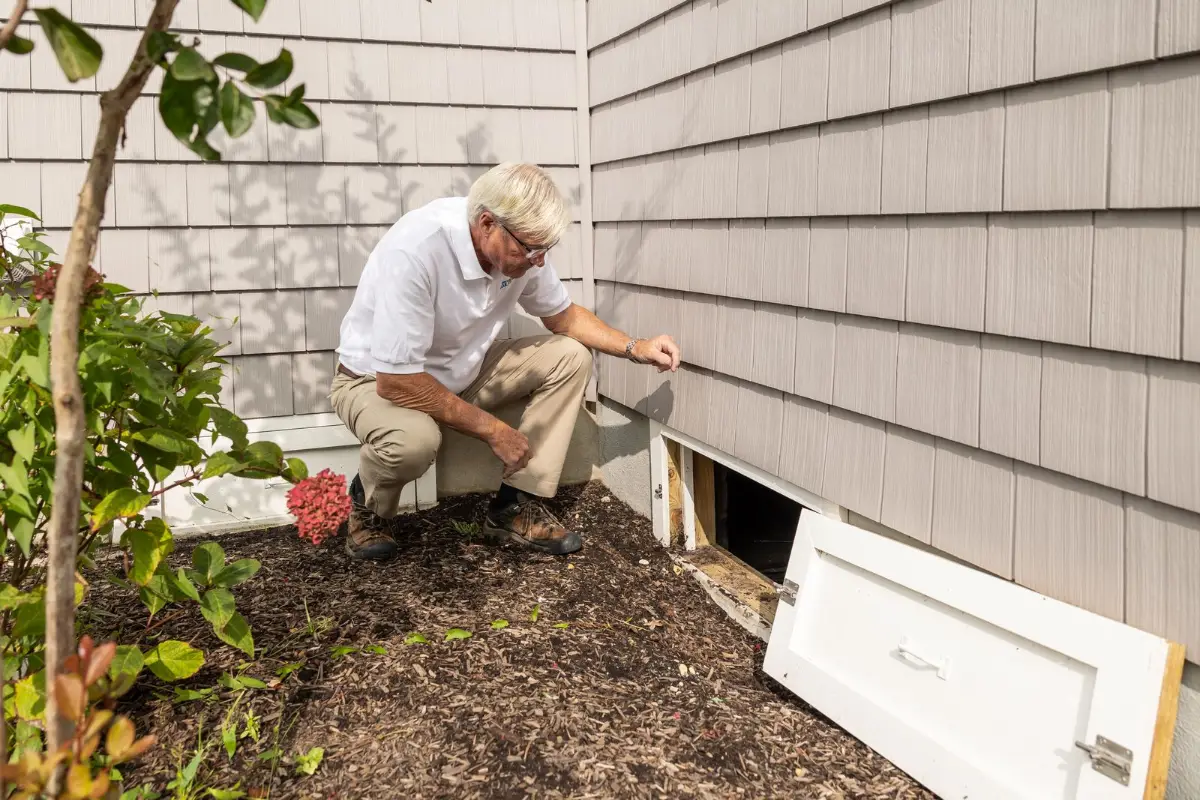
A passing Title 5 report covers a transfer that happens within two years of the inspection date, and up to three years when it is accompanied by records showing the tank was pumped at least once a year. One report can carry more than one sale inside that window. The date that matters is the day the inspector was in the yard, not the day the report was filed or the day you signed the purchase and sale.
The clock starts on the inspection date, not the closing
310 CMR 15.301(1) requires the system to be inspected at, or within two years before, the transfer of title, and requires the seller to give the buyer the complete report. Count backwards from the closing date to the inspection date. A report dated 25 months before a closing does not qualify on its own, however good the result was.
Filing is a separate deadline and it is the inspector’s job. The report goes to the board of health on MassDEP’s official form within 30 days of the inspection, and Dennis shortens that to 10 days (Dennis regulations). Failing to file creates a rebuttable presumption that no inspection was ever done, which is worth knowing if a seller hands you a report the town has never seen.
What the pumping records have to show
The third year is earned with paperwork. A report may be used up to three years before a transfer if it comes with records showing the system was pumped at least once a year across that period. Nothing else substitutes: not a memory of the truck coming, not a bank statement, not the inspector’s note that the tank looked recently emptied.
Ask the hauler for an itemized receipt showing the date and the gallons removed, and use a hauler permitted by your board of health, which is also what Mashpee’s maintenance FAQ tells owners to keep. Timing has one wrinkle: Brewster’s health department advises against pumping in the two weeks before an inspection, because an empty tank hides how the system actually behaves. Pump on your own schedule, then inspect. The septic pumping page treats the receipt as part of what you are buying.
The events that force a fresh inspection anyway
A live report does not cover everything. An inspection is required before any change in the type of establishment or any increase in design flow, which is what an added bedroom or an ADU is, and a cesspool or failing system has to be upgraded before that change under 15.301(5). If design flow does not increase, MassDEP’s FAQ says an assessment locating the components is enough.
Several other triggers run on their own timetables. Shared systems are inspected every three years, condominiums of five or more units every three years, and an inspection is also required when a facility is divided or two or more are combined, or when the board of health, MassDEP or a court orders one (MassDEP FAQ). Any of those overrides the two-year date on a report you already hold.
Ordering it early enough to use it twice
For a seller, the useful move is to inspect well before listing. A report taken in February is still good for a closing two years later, so an early inspection is not money spent twice; it is the only version of this that leaves time to fix something. MassDEP’s guide for buyers and sellers sets out what the report must contain.
Two exemptions can replace the inspection entirely. A Certificate of Compliance for new construction or an upgrade issued within the prior two years, or three with annual pumping records, exempts the transfer, which is a reason to finish an upgrade before the listing rather than during a closing. So does an enforceable agreement with the board of health to upgrade or connect to sewer within two years after transfer, though that agreement must be disclosed to buyers and binds later owners (MassDEP exemption guidance).
When a buyer should pay for a second inspection
A buyer is entitled to the full report, not the summary page, and sometimes to a second opinion. Pay for your own inspection when the seller’s report is close to its limit, when the leaching area is thirty years old, or when the inspector noted criteria that could not be evaluated, such as a distribution box nobody could find.
Only a MassDEP-approved System Inspector may do it, and NEIWPCC publishes the list to check an approval number against. Budget $500 to $800 for a second inspection here, which the inspection cost guide breaks down. A second report does not erase the first: the original is already on file with the town.
What can make a report unusable before it expires
Four things commonly do. The system changed: a repair, a new tank or a component replacement means the report no longer describes what is in the ground, and any of that work needed its own permit and Certificate of Compliance. The use changed, which is the design-flow trigger above. The report was never filed with the board of health. Or the result was never a clean pass.
That last one traps sellers. A conditional pass is not a pass until the named repair is done, and some towns will not let it travel: Pembroke requires the repairs before transfer under its local rules (Pembroke Title V rules). A failure is worse than expired: 15.305 starts a two-year upgrade deadline running from the inspection date, and selling the house does not restart it.
Reading your own report’s expiry, then acting on it
Find the inspection date on the official form, add 24 months, and write that date down. If you have annual pumping receipts, add 36 and keep the receipts with the report. Then check whether anything on the list above has happened since: a bedroom added, a component replaced, an order from the board of health.
If the date has passed or the result was not a clean pass, the next step depends on which. An expired report means booking a Title 5 inspection and, in season, allowing days to two weeks for an appointment. A conditional pass means scheduling the named repair, and a failure means pricing the upgrade: start with failed Title 5 repair and upgrade, read the Title 5 guide for what each result means, and if you are selling into a bad report, the seller’s guide covers the three routes through a closing.
Licensing
Check the credentials before you sign
Massachusetts has no single statewide septic contractor license. Two separate approvals matter. A Title 5 inspection is valid only when a System Inspector approved by MassDEP performs it. Installation and repair work is permitted town by town: each board of health licenses installers and issues the Disposal System Construction Permit for the job.
You can check both yourself. The state publishes the inspector training and approval program, and the regulation itself sets out who may do what.
Three questions to ask
-
Which of you holds the Title 5 System Inspector approval, and can I see the certificate?
Only a MassDEP-approved System Inspector may sign an official inspection form. The approval is personal to the inspector, not to the company.
-
Are you on this town’s current list of approved septic installers?
Installation licenses are issued by each board of health, one town at a time. A crew licensed in Falmouth is not automatically licensed in Bourne.
-
Who pulls the permit, and will I get the as-built plan and the Certificate of Compliance?
The permit and the final sign-off are what a future buyer’s inspector will ask for. Get it in writing that both come to you when the work closes out.
The process
From your request to a site visit
-
Your request goes to one local septic company
It goes to a single septic company that works in your town and handles your kind of job. It is not sold to a list, and you will not get calls from five companies.
-
They call to set up a site visit
Expect a call, usually within one business day. The contractor asks about the house, the inspection report if you have one, and your timing, then books a visit.
-
You get a written quote and decide
After the visit you receive a written estimate with the scope and the permit plan. There is no fee and no obligation. If it is not a fit, say so and that is the end of it.
Questions homeowners ask
Do I need pumping receipts to keep a report valid?
You need them only for the third year. To use a report between 24 and 36 months old, 310 CMR 15.301(1) requires records showing the system was pumped at least once a year over that period. Ask the hauler for an itemized receipt with the date and the gallons removed, and use a hauler permitted by the board of health, because that is what the town will accept.
Will a recent Certificate of Compliance replace the inspection?
Yes. A system with a Certificate of Compliance for new construction or an upgrade issued within the prior 2 years is exempt from the transfer inspection, or 3 years where annual pumping records are provided. That is one of the practical reasons to finish an upgrade before listing rather than during the closing: the certificate does the work of the report.
Can a Title 5 inspection be done in winter?
Usually, if the ground can be opened. Where weather genuinely prevents it, 310 CMR 15.301(1) allows the inspection as soon as conditions permit and no later than 6 months after the transfer. Write that into the purchase agreement rather than discovering it at the closing table, and expect the inspector to want a thaw before opening a buried distribution box.
Does a condominium need an inspection when one unit sells?
Condominiums of 5 or more units sharing a system are inspected every 3 years rather than at each sale, and smaller condominiums may choose the 3-year cycle or the time-of-transfer route. Shared systems serving more than one facility are also on a 3-year cycle. Ask the association for the date of the last system-wide inspection before you rely on it.
Which transfers do not need a Title 5 inspection?
Granting a mortgage, refinancing, changing the form of ownership among the same owners, and adding or removing a spouse are not transfers of title for Title 5. Separately, transfers between spouses, between parents and children, between full siblings, and into a trust with a first-degree relative as beneficiary are exempt when the property is used as a family residence.
Do I need an inspection for a house I inherited?
Yes, but on a different clock. For an inheritance the inspection may be done within 2 years before, or within 1 year after, the executor or administrator is appointed. Foreclosures, deeds in lieu, tax takings and bankruptcy trustee transfers run on 2 years before or 6 months after, and a life estate on 2 years before or 6 months after the life tenant's death.
Tell us about your system
One call or form, a written quote after a site visit. Free for homeowners, no obligation.