Service areas
Chatham, MA septic, Title 5 and sewer connection help
A town-wide sewer plan funded from 2013 onward, a treatment plant removing nitrogen from 2000 onward, and septic lots waiting for their phase.
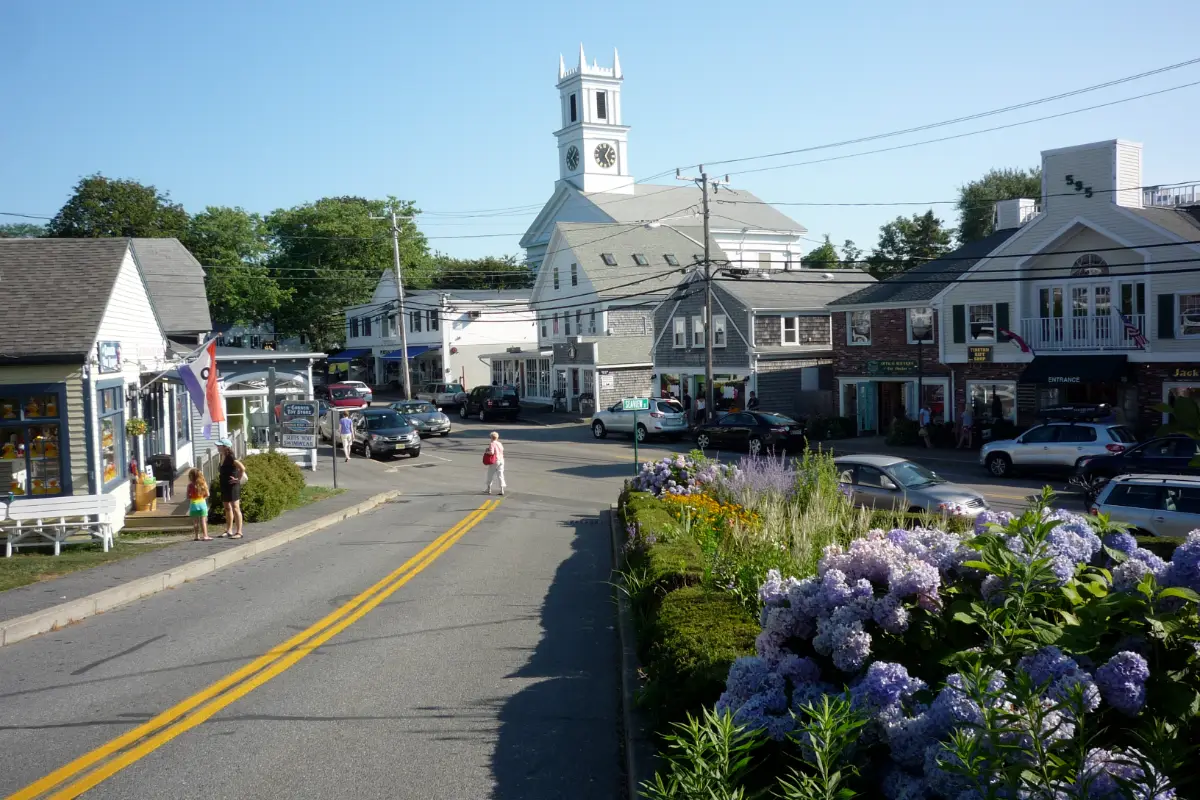
Chatham is sewering the whole town, phase by phase
Chatham decided years ago to replace septic systems with sewers everywhere rather than upgrade them lot by lot. The Chatham Water Pollution Control Facility has removed nitrogen to 10 mg/L from 2000 onward, the final Comprehensive Wastewater Management Plan was approved in 2013, and Town Meeting appropriated $59,508,000 that year for Phase I, per the Cape Cod Commission’s Stage Harbor workshop record.
Construction has run in contracts ever since. The 2021 Water Protection Fund report lists Phase 1D, the Chatham-Harwich regionalization that brings East Harwich flow to the Chatham plant on an $8.17 million loan, a sewer extension, the Queen Anne pumping station upgrade and subsidy on $21.4 million of older debt. The 2025 state Clean Water SRF list carries Sewer Extension Phase 1F at $31,190,000, which the Clean Water Trust describes as reaching into the Stage Harbor, Taylors Pond/Mill Creek and Sulphur Springs/Bucks Creek watersheds. The Commission reported on August 31, 2026 that Chatham was preparing its next construction phase. The fund’s running total for Chatham is $20.4 million final and $39 million contingent, more than any other Lower or Outer Cape town, per the Cape Cod Commission.
The nitrogen rules line up with that plan. Pleasant Bay has been under the 2018 Pleasant Bay Watershed Permit, the first in Massachusetts, with Chatham holding about 30% of the watershed and roughly 37% of its wastewater nitrogen. For the three south-side watersheds Chatham filed a Notice of Intent on July 7, 2023, logged as 23-WP94-0010-APP on the MassDEP application table, and MassDEP granted the town $67,445 in March 2024 to support both tracks. Those filings suspend the state’s five-year I/A upgrade clock; whether a full application for the southern watersheds has since been filed is a question for the town.
Septic permits from the Health Division on George Ryder Road
Anything you do to a septic system in Chatham runs through the Town of Chatham Health Division at 261 George Ryder Road, (508) 945-5165. The Division issues construction permits under the town’s Subsurface Disposal (Septic) Regulations, receives the Title 5 report within 30 days of every sale inspection, and decides whether a failed system gets replaced or connected.
The town site hosts those septic regulations, a set of Sewer Connection Regulations and a 2022 Mandatory Sewer Connection Regulation. We could not open them, so the connection deadline after sewer becomes available, the extension criteria and the penalties are unverified; ask the Division for the current text before you plan around a date. Chatham has also used a real estate transfer septic regulation for many years, which the Commission credits with a long run of upgrades, and Barnstable County notes that some Cape Boards of Health ban cesspools outright. Whether Chatham is one of them is not something we could confirm on a primary source. Permit fees and office hours are likewise unpublished in any form we could verify.
What is certain is the state framework the Division applies: a Disposal System Construction Permit and a Certificate of Compliance for any component replacement, a MassDEP-approved System Inspector for the sale report, and a two-year upgrade deadline after a failure under 310 CMR 15.305, which a Board can stretch when the owner commits to a sewer connection within five years. The Title 5 guide covers those rules in order.
Betterments, AquiFund top-ups and the credit in Chatham
Chatham’s own betterment amounts and connection fees could not be verified, so treat them as a question for the town. What is documented is the private-side range: Chatham connections ran from $2,880 to $23,828 depending on distance and lot, per Mashpee’s Cost to Connect page, plus the septic abandonment.
The Cape Cod AquiFund lends at 0% or 2% to income-qualified owner-occupants for a new sewer connection once they hold the town’s Notice to Connect letter, at 4% for septic repair, replacement and I/A work on a primary residence, and at 5% for seasonal, rental or soon-to-list homes, all up to 20 years on the tax bill. In April 2025 Chatham sought $50,000 in local funds to supplement AquiFund borrowers’ connection and abandonment costs and floated a $1.2 million grinder-pump program with $2,000 toward each installation, per the Cape Cod Chronicle. Since tax year 2024 the state septic credit, 60% of up to $30,000, $18,000 lifetime and $4,000 a year, covers sewer connections required by a watershed permit under TIR 24-14, with a town verification letter. Program terms are set by the agencies and change; confirm with the state or county page linked here.
The work that still comes up on Chatham lots
The most frequent job now is a sewer connection: lateral, plumbing, sometimes a grinder pump, and abandonment of the old tank. Title 5 inspections still precede every sale of a property not yet connected, and a failed report on a street years from its phase forces a decision.
That decision usually lands on failed Title 5 repair and upgrade work or targeted septic repair, because a new D-box, tank or pipe can carry a house to its connection date at a fraction of replacement cost. A full septic system replacement is reserved for lots far from any phase. Septic pumping on a schedule is what a Board expects during any interim period. The sewer-versus-septic guide and the failed Title 5 sale guide cover the trade-offs.
Pleasant Bay on one side, Nantucket Sound on the other
Chatham is nearly surrounded by tidal water, and both sides carry nitrogen targets. The 208 Plan summary puts the Pleasant Bay watershed at 5,796 parcels, 79% residential, with septic carrying 255 of 272 million gallons a year and a required 36% nitrogen cut. Stage Harbor, Taylors Pond and Sulphur Springs drain the Sound side.
The land is Lower Cape outwash sand with many low coastal lots, which is why lot-by-lot I/A upgrades never penciled out here and full sewering did. Chatham also treats Harwich flow from East Harwich under the Pleasant Bay permit, and shares the bay with Orleans. All towns we cover are on the service areas page.
Permits
Septic permits in Chatham
- Office
- Town of Chatham Health Division (Board of Health)
- Address
- 261 George Ryder Road, Chatham, MA 02633
- Phone
- (508) 945-5165
Confirm hours and fees with the office before you visit; towns change them without notice.
Money
Help paying for septic work
Two public programs pay for a large share of most Title 5 upgrades. Which one applies depends on the county the house is in.
Statewide, principal residence
State income tax credit for Title 5 work
- 60% of qualifying repair or replacement costs, on up to $30,000 of expenses
- Up to $18,000 in total credit per household, taken at up to $4,000 a year
- Unused credit carries forward for up to 5 years
- Applies to the home you live in, not a rental or second home
Barnstable County homeowners only
Low-interest county financing (AquiFund)
- County-run Community Septic Management Loan Program
- Interest tiers from 0% to 5%, set by the type of work and whether you live there year-round
- Repaid over up to 20 years as a betterment on your property tax bill
- Covers Title 5 repairs, replacements and nitrogen-reducing upgrades
Plymouth County homeowners
Financing for South Shore homes
- AquiFund does not extend past the Cape Cod Canal
- The Town of Plymouth runs its own Title V septic loan, repaid as a betterment on the tax bill
- MassHousing offers a septic repair loan for eligible owner-occupants statewide
- Ask your board of health which town programs are open this year
Program terms are set by the agencies and change; confirm with the state or county page linked here before you count on a number.
Licensing
Check the credentials before you sign
Massachusetts has no single statewide septic contractor license. Two separate approvals matter. A Title 5 inspection is valid only when a System Inspector approved by MassDEP performs it. Installation and repair work is permitted town by town: each board of health licenses installers and issues the Disposal System Construction Permit for the job.
You can check both yourself. The state publishes the inspector training and approval program, and the regulation itself sets out who may do what.
Three questions to ask
-
Which of you holds the Title 5 System Inspector approval, and can I see the certificate?
Only a MassDEP-approved System Inspector may sign an official inspection form. The approval is personal to the inspector, not to the company.
-
Are you on this town’s current list of approved septic installers?
Installation licenses are issued by each board of health, one town at a time. A crew licensed in Falmouth is not automatically licensed in Bourne.
-
Who pulls the permit, and will I get the as-built plan and the Certificate of Compliance?
The permit and the final sign-off are what a future buyer’s inspector will ask for. Get it in writing that both come to you when the work closes out.
The process
From your request to a site visit
-
Your request goes to one local septic company
It goes to a single septic company that works in your town and handles your kind of job. It is not sold to a list, and you will not get calls from five companies.
-
They call to set up a site visit
Expect a call, usually within one business day. The contractor asks about the house, the inspection report if you have one, and your timing, then books a visit.
-
You get a written quote and decide
After the visit you receive a written estimate with the scope and the permit plan. There is no fee and no obligation. If it is not a fit, say so and that is the end of it.
Questions homeowners ask
Is Chatham in a nitrogen sensitive area?
Yes, on both coasts. Pleasant Bay is covered by the 2018 Pleasant Bay Watershed Permit, and Stage Harbor, Taylors Pond/Mill Creek and Sulphur Springs/Bucks Creek were designated Natural Resource Area Nitrogen Sensitive Areas on July 7, 2023. Chatham filed a Notice of Intent for those three on the same date, so the state's five-year I/A upgrade clock is suspended for existing systems. Sellers in any designated watershed must disclose NSA status before transfer.
Does Chatham have sewer, and will I have to connect?
Chatham is sewering the whole town in phases under its 2013 Comprehensive Wastewater Management Plan, with treatment at the Chatham Water Pollution Control Facility. The Board of Health has a mandatory sewer connection regulation, posted in a 2022 version, that requires connection once sewer is available. Its deadline, extension rules and fees could not be verified, so ask the Health Division which phase covers your street and what the connection window is.
Where do I get a septic permit in Chatham?
The Town of Chatham Health Division at 261 George Ryder Road, (508) 945-5165, issues construction permits under the town's Subsurface Disposal (Septic) Regulations and receives Title 5 inspection reports. If your street is in a sewered phase, the Division will steer you to a connection under the sewer connection regulation rather than a new septic system. Permit fees and office hours are not published in a form we could verify; confirm them with the office.
Can I use AquiFund in Chatham?
Yes. As a Barnstable County town, Chatham qualifies for the Cape Cod AquiFund: 0% or 2% for income-qualified owner-occupants making a new sewer connection once they hold the town's Notice to Connect letter, 4% for septic repair, replacement and I/A work on a primary residence, and 5% for seasonal, rental or soon-to-list homes, up to 20 years on the tax bill. In April 2025 the town also sought $50,000 in local funds to top up AquiFund borrowers' connection costs.
What does a private sewer connection cost in Chatham?
Mashpee's Cost to Connect page cites Chatham private-side costs ranging from $2,880 to $23,828 depending on the distance from house to street stub, the lot and whether a grinder pump is needed. That covers the lateral, plumbing and abandoning the septic tank under 310 CMR 15.354. Chatham's own betterment amount and connection fee could not be verified; the Health Division or DPW can tell you what applies to your phase.
My Chatham system failed but sewer is a few years away. What now?
State law gives you two years from the failed inspection to upgrade under 310 CMR 15.305, but a Board of Health can approve a longer enforceable schedule when the owner commits to a sewer connection within five years and keeps the system pumped in the meantime. Whether Chatham will accept that on your street depends on the phase timing, so bring the inspection report to the Health Division before paying for a full design.
Tell us about your system
One call or form, a written quote after a site visit. Free for homeowners, no obligation.